


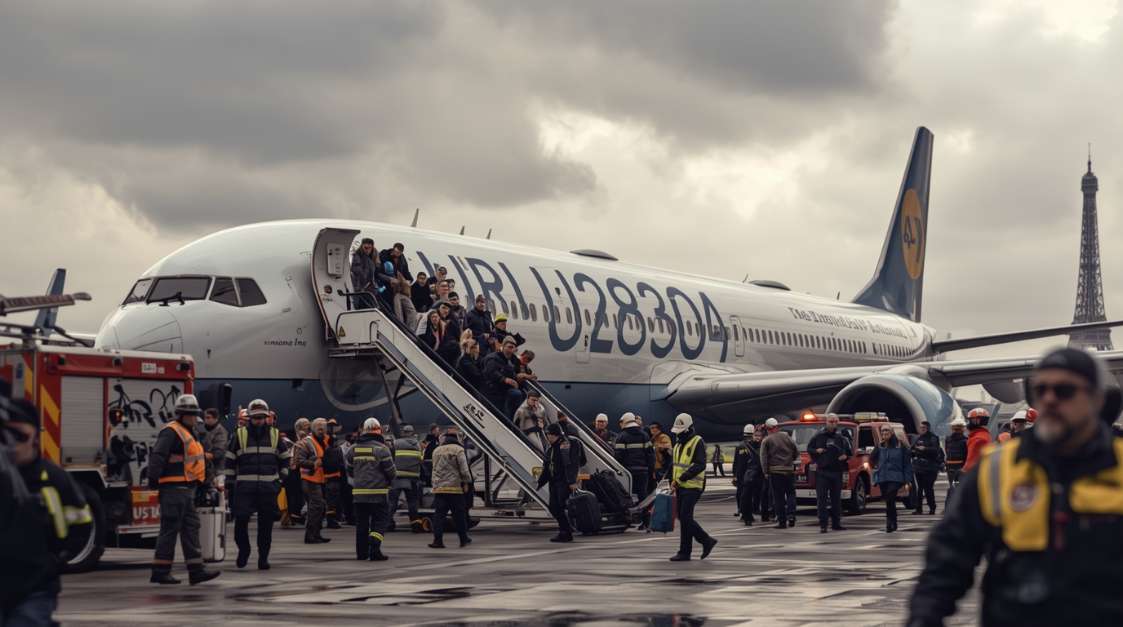
Air travel is built on precision. Schedules, systems, checklists, backup systems for the backup systems. So when news breaks about a flight making an emergency landing, people lean forward. Questions come fast. Was it mechanical? Was anyone hurt? Could this happen again?
The u28304 emergency landing paris event caught attention for exactly that reason. A routine commercial journey suddenly shifted into something far more urgent. For passengers onboard, it was tense. For observers tracking flight data, it was confusing at first. For the broader public in the United States, it became a reminder of how aviation safety actually works behind the scenes.
Let’s unpack what happened, how emergency landings work, why they are often precautionary rather than catastrophic, and what this incident really tells us.
What Was the U28304 Emergency Landing Paris Incident?
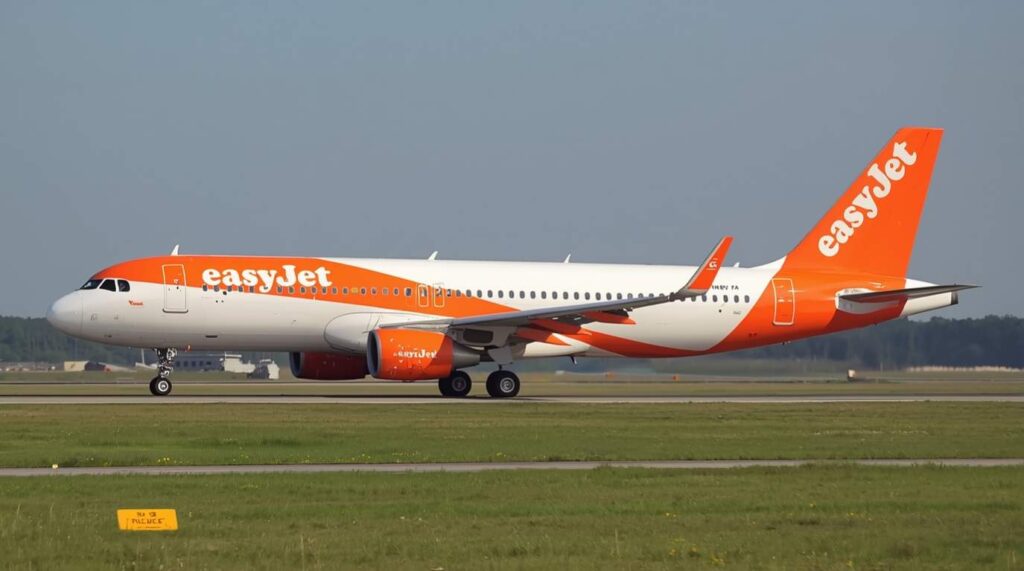
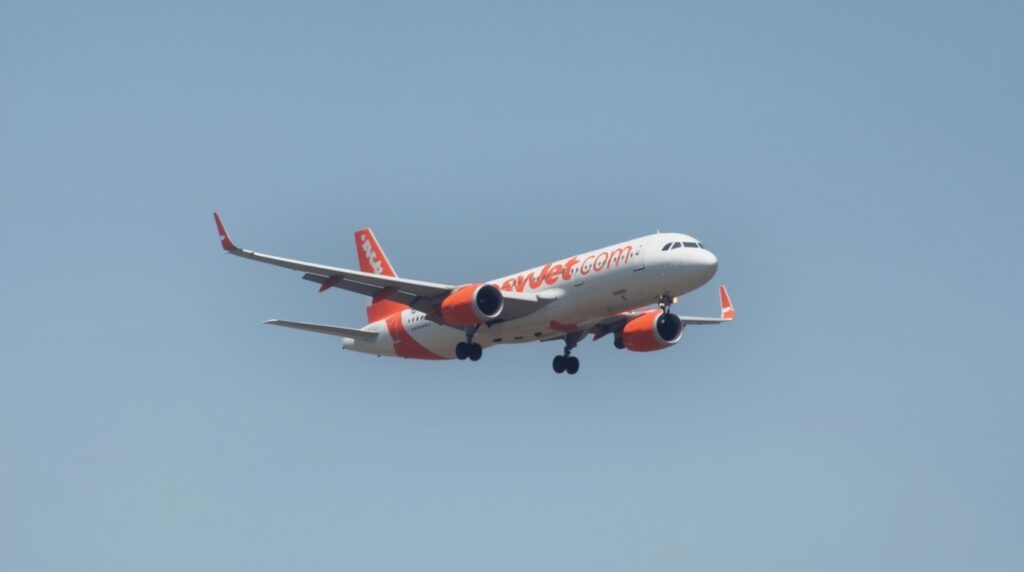
Flight U28304 is operated by easyJet, a major European carrier known for short and medium haul routes across the continent. On the day of the incident, the aircraft was en route on a standard schedule when the crew identified a technical irregularity that required immediate attention.
Rather than continuing to its original destination, the pilots declared an emergency and diverted to Paris for landing. The decision was made midair. Air traffic control cleared the aircraft for priority approach. Emergency services were placed on standby as a precaution.
From early reports and flight tracking data, the situation appears to have been handled according to established aviation safety procedures. No major injuries were reported. Still, for those onboard, it was undoubtedly unsettling.
Many people searching for easyjet u28304 emergency landing paris today were looking for real time updates. Others were checking the U28304 emergency landing paris flight status through live trackers like FlightRadar24. The interest makes sense. When you hear the word emergency, your mind jumps to worst case scenarios.
But aviation language can be misleading. Not every emergency landing signals disaster.
What Does an Emergency Landing Actually Mean?
The phrase sounds dramatic. It often is not.
An emergency landing is declared when pilots determine that continuing the flight could pose a risk. That risk might involve engine performance, cabin pressure, smoke detection, medical emergencies, hydraulic alerts, or even suspicious sensor readings.
Declaring an emergency gives the aircraft priority handling. Air traffic control clears the path. Other aircraft are rerouted. Fire and rescue teams position themselves near the runway. It is a precaution built into global aviation systems.
Here is something many people do not realize. Modern commercial aircraft are designed to fly safely even if one engine fails. In fact, pilots regularly train in simulators for engine out procedures. According to the Federal Aviation Administration, commercial aviation in the United States has a fatal accident rate of less than 0.2 per 100,000 flight hours. The FAA discusses these safety metrics in multiple aviation safety reports, including summaries available at faa.gov. Those numbers show how rare serious incidents truly are.
So when news circulates about the u28304 emergency landing paris situation, it does not automatically mean catastrophe. Often, it reflects a cautious and disciplined response.
How Emergency Diversions Work in Practice
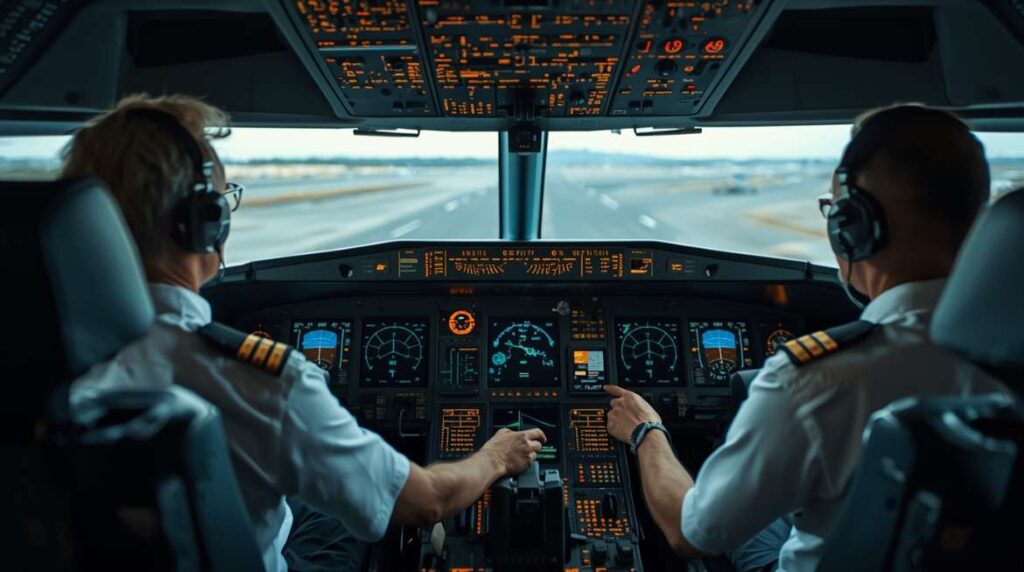
The process begins in the cockpit.
Pilots monitor hundreds of parameters in real time. Aircraft systems constantly communicate through onboard computers. If something falls outside safe thresholds, alerts appear on cockpit displays. Some are advisory. Others require immediate action.
If the issue cannot be resolved quickly, the captain contacts air traffic control and declares an emergency. This may be phrased as a Mayday or Pan Pan call depending on severity. Air traffic control responds instantly, clearing traffic and assigning the closest suitable airport.
Why Paris? Large international airports are ideal diversion points because they offer long runways, full emergency response teams, maintenance facilities, and passenger handling infrastructure. Diverting to a major hub often speeds up inspection and minimizes further disruption.
As the aircraft descends, ground teams prepare. Fire trucks line the runway. Medical personnel wait nearby. It can look dramatic from the outside. Inside the cockpit, it is procedural. Calm. Structured.
That structure is what keeps aviation safe.
Real World Reasons Behind Incidents Like This
While official investigation details may take time, historically, incidents like the U28304 emergency landing paris today often fall into several categories.
Technical anomalies are common. A sensor may detect abnormal engine vibration. A hydraulic system might show pressure fluctuations. Cabin pressure warnings can trigger automatic safety responses.
Smoke alerts are another frequent cause. Even the smell of overheated wiring can prompt diversion. Pilots are trained to treat any potential fire risk seriously.
Medical emergencies also lead to priority landings. A passenger experiencing cardiac symptoms, for instance, may require immediate hospital access.
Interestingly, data from the International Air Transport Association shows that the vast majority of in flight diversions result in safe landings with minimal injury. Aviation is built on layers of redundancy. If one system falters, another takes over.
That layered safety model explains why these stories feel dramatic but often conclude without tragedy.
Tracking the U28304 Emergency Landing Paris Flight Status
In the digital age, aviation incidents unfold in public view.
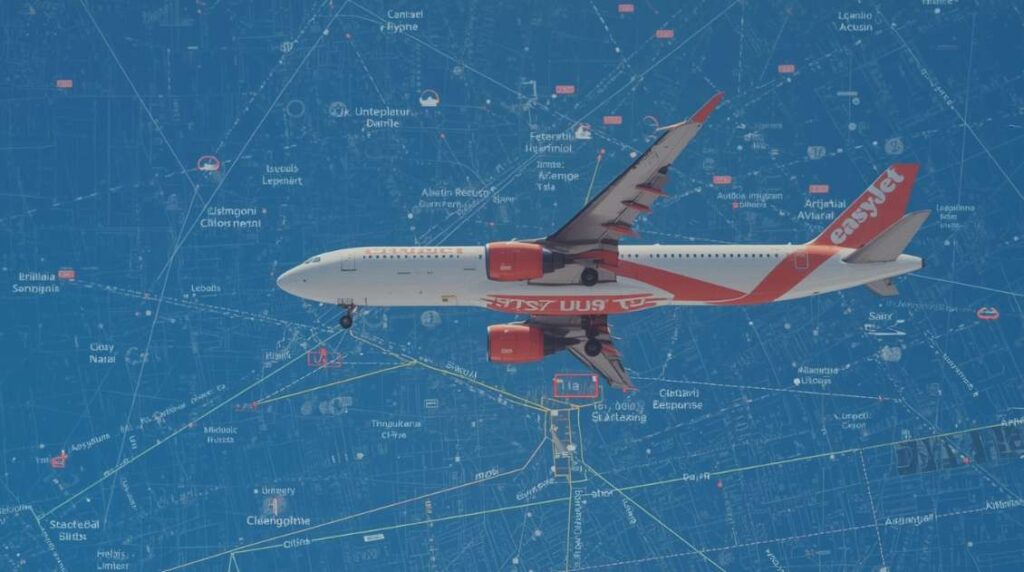
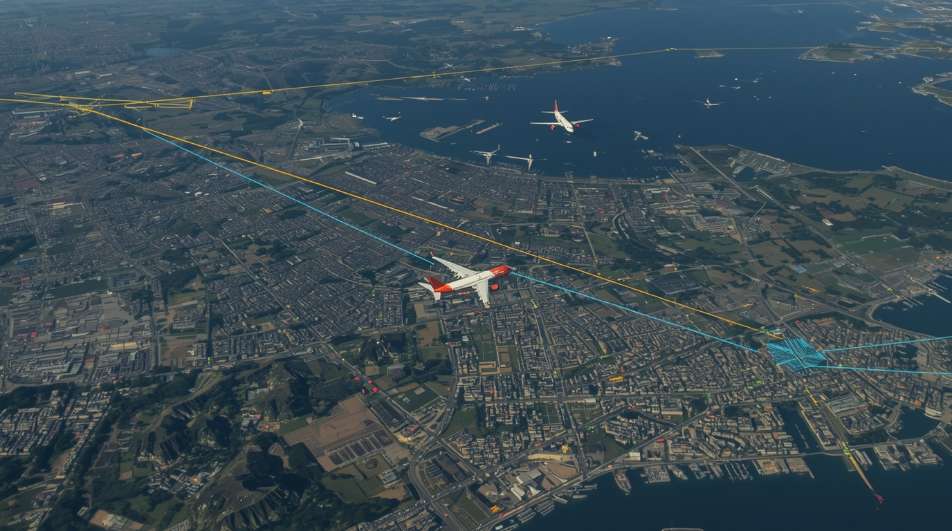
Websites like FlightRadar24 and FlightAware allow anyone to follow aircraft movement in real time. When a plane suddenly changes course or descends unexpectedly, observers notice. Social media amplifies the moment.
During the easyjet u28304 emergency landing paris event, flight tracking data showed the aircraft diverting and descending toward Paris rather than continuing its original route. That change triggered speculation before official statements were released.
It is worth remembering that flight trackers show movement, not causes. Only airline and aviation authority reports provide confirmed explanations.
Why Emergency Landings Often End Quietly
Here is a paradox.
An emergency landing can feel intense but conclude quietly. Passengers disembark. Engineers inspect the aircraft. Flights resume later. News fades.
Commercial aviation operates under strict maintenance standards. Aircraft undergo regular checks categorized as A checks, C checks, and heavy maintenance visits. Each check examines critical systems in detail.
When an issue arises midair, landing early reduces risk. Engineers can inspect the aircraft thoroughly on the ground rather than troubleshoot at cruising altitude.
The result? Disruptive, yes. Dangerous, rarely.
Comparing Emergency Landings to Routine Safety Measures
To put things in perspective, think about your car.
If your check engine light turns on while driving on a highway, you might pull over. That does not mean your engine is exploding. It means you are being cautious.
Airlines apply the same philosophy, only with far stricter standards.
Unlike cars, aircraft systems are duplicated or triplicated. Hydraulic systems often have multiple independent circuits. Electrical systems include backup generators. Flight computers cross check each other continuously.
This redundancy dramatically reduces the likelihood of catastrophic failure.
So when discussing the u28304 emergency landing paris case, the key takeaway is that the system worked as intended. A potential issue was identified. The aircraft landed safely. Passengers were protected.
The Human Side of the Story
Statistics reassure. But people onboard feel something different.
Cabin crew are trained to manage passenger anxiety during unexpected events. They communicate clearly, maintain composure, and follow structured procedures. That calm presence makes a difference.
Pilots, meanwhile, train for thousands of simulated emergency scenarios before commanding real flights. Simulator sessions often include engine failures at takeoff, hydraulic loss, rapid decompression, and more. They repeat these drills until reactions become automatic.
It is easy to forget the level of preparation involved.
Moments like this highlight the professionalism built into aviation culture.
Limitations and Common Misconceptions
Public perception often equates emergency with near crash. That is inaccurate.
Declaring an emergency does not mean the aircraft was seconds from disaster. It means the crew chose the safest option early.
Another misconception involves mechanical reliability. Modern aircraft are extraordinarily complex machines. Minor technical irregularities are not unusual. What matters is how they are handled.
The aviation industry investigates every incident carefully. Reports examine flight data recorders, maintenance logs, crew communication, and system performance. Transparency improves future safety standards.
Still, misinformation spreads quickly online. Partial flight tracker screenshots can create panic before facts emerge.
Patience matters.
What This Means for Future Travelers
If you are flying soon and reading about the U28304 emergency landing paris today, you might feel uneasy.
Step back for a moment.
According to data referenced by the National Safety Council, the odds of dying in a commercial airline accident are roughly 1 in 205,552. Compare that with road travel, where the lifetime odds of dying in a car crash are about 1 in 107. The NSC publishes these comparative statistics on nsc.org in its injury facts reports. The difference is striking.
Air travel remains one of the safest forms of transportation in the world.
Incidents like this reinforce that safety systems are functioning. Pilots respond quickly. Air traffic control coordinates efficiently. Ground crews stand ready.
The layers hold.
Final Thoughts on the U28304 Emergency Landing Paris Incident
The u28304 emergency landing Paris story drew attention because the phrase emergency landing always does. Yet the broader narrative is not one of failure. It is one of prevention.
An alert was triggered. A decision was made. A plane landed safely in Paris. That is how aviation safety is designed to operate.
For the general public in the United States watching from afar, the event serves as a reminder of the invisible infrastructure supporting every commercial flight. Redundant systems. Intensive pilot training. Constant monitoring. Immediate coordination.
It feels dramatic at the moment. Then it resolves.
And most passengers board their next flight without incident.
If you enjoy researching aviation events or writing analytical breakdowns like this, you might find Jenni helpful as an AI powered research assistant that supports essays, reports, and structured writing projects
Frequently Asked Questions
What caused the U28304 emergency landing paris incident?
Official causes typically involve technical alerts, sensor anomalies, or precautionary checks. Airlines conduct detailed inspections before releasing final statements. Early reports suggest a precautionary diversion rather than structural failure.
Was anyone injured during the emergency landing?
Public reports indicate no major injuries. Emergency services were present as a safety measure, which is standard procedure during declared emergencies.
What does it mean when a flight declares an emergency?
Declaring an emergency gives the aircraft priority handling from air traffic control. It allows faster routing, runway clearance, and emergency crews on standby.
How can I check U28304 emergency landing paris flight status updates?
Flight tracking platforms such as FlightRadar24 or FlightAware provide real time movement data. For confirmed explanations, airline press releases and aviation authority statements are more reliable.
Are emergency landings common?
They are not common, but they are not extremely rare either. Globally, thousands of flights operate daily. A small fraction divert as a precaution. Most land safely without serious consequences.
Is it safe to fly with easyJet after this incident?
Commercial airlines operate under strict European Union Aviation Safety Agency regulations. Aircraft undergo routine inspections, and any aircraft involved in an incident must pass safety checks before returning to service.
Why do pilots choose large airports like Paris for diversions?
Major airports offer long runways, advanced emergency response teams, and maintenance facilities. These resources make them ideal for precautionary landings.
Do passengers get compensation after emergency diversions?
Compensation depends on the cause of the diversion and applicable regulations. In Europe, EC261 rules may apply in certain circumstances, particularly if delays are significant and not caused by extraordinary circumstances.
If you have a specific concern about aviation safety or want to understand how flight systems work in more detail, feel free to ask.
For more information visit the website
