


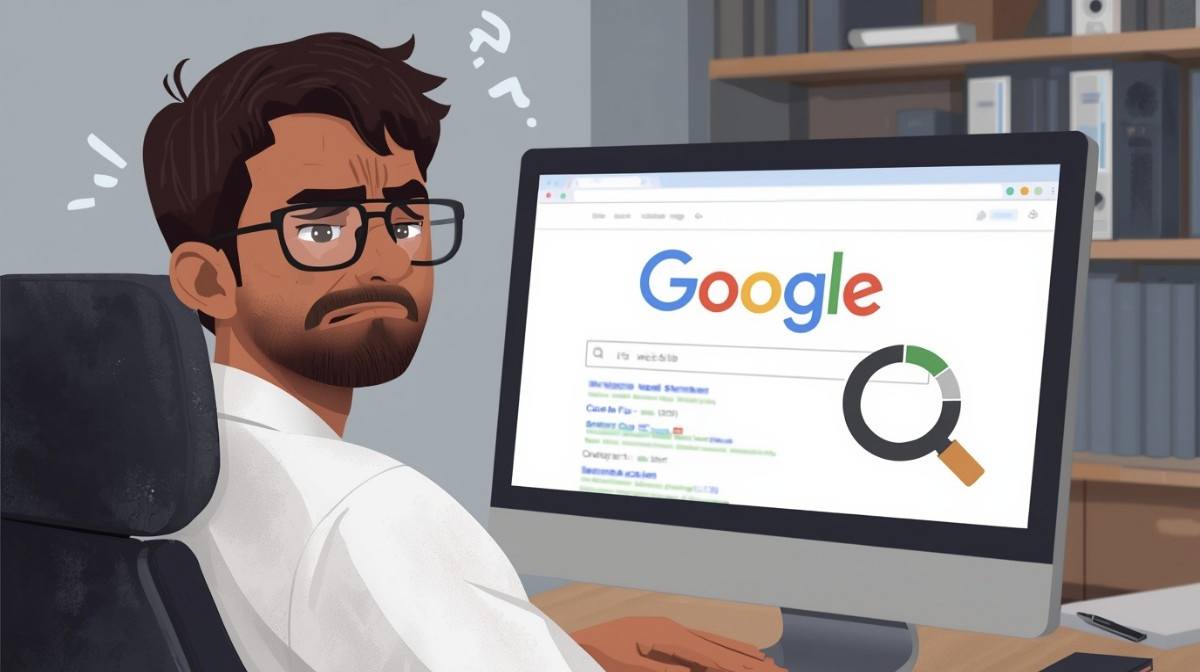
When your website traffic suddenly drops, panic is natural. You open Google Analytics, check your rankings, and realize something has changed overnight. In most cases, this happens after a major google update rolls out. But the big question remains: is it really a penalty, or just a ranking shift?
Search engines constantly refine their systems to improve search results. Google releases updates to reward high-quality content and reduce the visibility of low-value or manipulative pages. If your site lost traffic after a google update, it does not always mean you’ve been penalized. Understanding what happened is the first step toward recovery and growth.
Understanding What a Google Update Really Means
A Google update is a change made to Google’s search ranking system. Google regularly improves its algorithm to ensure users get relevant, trustworthy, and helpful results. Some updates are minor adjustments, while others significantly impact website rankings worldwide.
When a major google update rolls out, websites may experience ranking fluctuations. This does not automatically indicate wrongdoing. Sometimes, Google simply reevaluates content quality, relevance, user experience, or authority signals. If competitors improve their content, your rankings may drop even without errors on your side.
It is also important to differentiate between an algorithm update and a manual action. A manual action occurs when Google’s webspam team reviews your site and applies a penalty for violating guidelines. You can check this inside Google Search Console. If there is no manual action notice, your traffic drop is likely algorithm-related rather than a direct penalty.
Signs Your Website Was Affected After a Google Update
The most obvious sign is a sudden drop in organic traffic. You may notice fewer clicks, impressions, and lower keyword rankings. These changes usually align with the timeline of a confirmed google update, which Google sometimes announces through Google Search Central.
Another indicator is keyword movement. Some pages may drop from page one to page three, while others might disappear completely. This often means Google reassessed the search intent match or content depth of your page compared to competitors.
You may also see changes in featured snippets or rich results. If your page previously held a top snippet position and lost it, your formatting, clarity, or authority signals might no longer meet the updated standards.
Why Google Updates Impact Rankings
Google aims to prioritize helpful, original, and user-focused content. If your website contains thin content, duplicated material, outdated information, or overly optimized keywords, a new google update may reduce its visibility.
User experience also plays a significant role. Slow loading speed, poor mobile design, intrusive ads, and confusing navigation can negatively influence rankings. Google increasingly values real user signals such as engagement and satisfaction.
Backlink quality is another major factor. Links from low-quality or spammy websites can weaken trust signals. On the other hand, strong backlinks from reputable sites improve credibility and authority in Google’s eyes.
Immediate Steps to Take After Traffic Drops
The first step is to stay calm and analyze data carefully. Compare traffic before and after the update. Identify which pages lost rankings and which keywords were affected. Tools like Google Search Console and Google Analytics provide valuable insights.
Next, evaluate your content quality. Ask yourself whether your article truly answers user questions better than competitors. Improve clarity, update outdated facts, and add deeper explanations where necessary.
Finally, review technical aspects. Ensure your website loads quickly, works smoothly on mobile devices, and has no crawl errors. You can test performance using Google PageSpeed Insights. Technical improvements often lead to steady ranking recovery over time.
How to Recover From a Google Algorithm Impact

Recovery begins with improving content depth and usefulness. Expand your articles with clear explanations, real examples, and updated insights. Instead of rewriting everything, refine sections that lack value or clarity.
Focus on demonstrating expertise and trust. Add author information, cite reliable sources, and ensure transparency in your content. Google favors websites that show credibility and real-world knowledge.
Strengthening internal linking also helps search engines understand your site structure. Link related blog posts naturally within your content. For example, if you have written about SEO audits or keyword research, connect those articles contextually to build topical authority.
Strengthening Your Website for Future Updates
Long-term success depends on consistency and quality. Publish original content that directly answers user intent. Avoid copying competitors or stuffing keywords unnaturally.
Keep your content updated regularly. Refresh statistics, add new insights, and adjust sections according to industry changes. A website that evolves with time is less likely to suffer major damage during the next google update.
Build high-quality backlinks through guest posting, partnerships, and valuable resources. Earning mentions from reputable websites strengthens authority and reduces ranking volatility during algorithm shifts.
On-Page SEO Best Practices to Stay Protected

Your title should clearly reflect the topic and match search intent. This article’s title aligns directly with user concerns after a google update, making it highly relevant.
Use descriptive headings that guide readers logically through the content. Clear H2 and H3 sections improve readability and increase the chances of appearing in featured snippets.
Optimize images by adding descriptive alt text such as “website traffic drop after algorithm update” or “analyzing ranking decline in Search Console.” This improves accessibility and adds contextual relevance to search engines.
Conclusion
Experiencing ranking loss after a google update can feel overwhelming. However, it does not automatically mean your website has been penalized. In most cases, Google is simply adjusting rankings based on improved quality standards and search intent evaluation.
Instead of reacting emotionally, focus on data-driven improvements. Strengthen your content, enhance user experience, and build credibility. With patience and consistent optimization, your website can recover and even achieve stronger rankings than before.
FAQs
What is the difference between a Google update and a manual penalty?
A Google update is an automated change to the search ranking algorithm that affects many websites at once. It evaluates factors like content quality, relevance, and authority. A manual penalty, however, is applied by Google’s review team when a site violates specific guidelines. You can check for manual penalties inside Google Search Console under the Manual Actions section.
How long does it take to recover from a ranking drop?
Recovery time depends on the cause of the drop. If the issue relates to content quality or technical problems, improvements may show results within a few weeks. However, in some cases, significant recovery may only occur after the next algorithm refresh. Continuous improvements increase the chances of faster recovery.
Should I remove content after a Google update?
Removing content should not be your first reaction. Instead, evaluate whether the content can be improved. Enhance depth, update outdated information, and align it better with user intent. Only remove pages that provide no value, are duplicated, or harm overall site quality.
Can backlinks cause ranking loss after an update?
Yes, low-quality or spammy backlinks can negatively impact your website’s trust signals. Conduct a backlink audit and identify harmful links. If necessary, use Google’s disavow tool carefully to reduce potential risks. Building high-quality backlinks from authoritative websites remains one of the strongest long-term ranking factors.
How can I protect my website from future updates?
Focus on publishing original, helpful, and trustworthy content. Maintain strong technical performance, mobile responsiveness, and clean site structure. Monitor search trends and update your content regularly. Websites that prioritize user experience and genuine value are more resilient to algorithm changes.
