


If you have ever attended a traditional Indian wedding and felt the energy rise the moment the band walked in, you already understand the role music plays. swami band ghodegaon has built its reputation around that exact moment. Loud enough to feel alive. Structured enough to feel ceremonial. Familiar but never flat.
People usually hear the name through family circles, wedding planners, or a relative who booked them years ago and still talks about it. That kind of word of mouth does not happen by accident. It happens when a service shows up prepared and understands the emotion of the event.
This guide breaks everything down clearly. What it is. How it works. Where it fits best. And where it does not.
What exactly is Swami Band Ghodegaon
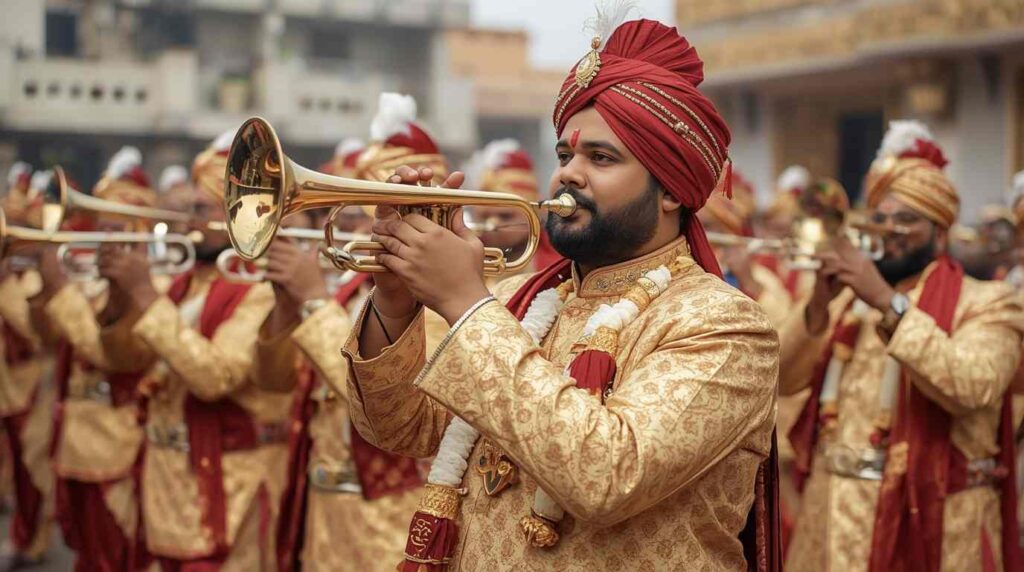
At its core, swami band ghodegaon is a traditional Indian wedding band service known for processional music, ceremonial timing, and crowd coordination. It is not just about playing instruments. It is about pacing a wedding ritual that can easily lose structure without guidance.
The band typically includes brass instruments, percussion, and a visual marching format. This is common across many Indian wedding bands, but the difference often shows up in discipline and flow. A good band keeps the groom’s procession moving. A bad one creates chaos.
Families often associate this band with discipline, consistency, and familiarity with long standing customs. That is why it is still requested for weddings even as playlists and DJs become more common.
How the band works during a wedding
A wedding band does more than arrive and play. swami band ghodegaon usually coordinates timing with the family or planner before the event begins. This includes when the procession starts, how long each musical segment runs, and how the band transitions between moments.
During a baraat, the rhythm is not random. The tempo changes as the groom arrives, pauses, or greets relatives. The musicians watch body language closely. If the crowd slows down, the beat adapts. If energy rises, the sound expands.
This is where experience matters. A newer band may play continuously without awareness. A seasoned group knows when silence is more powerful than sound.
Inside venues, volume control also becomes important. The band adjusts based on space size, acoustics, and local sound restrictions. That balance is harder than it looks.
Real world use cases where it fits best
This band style works best for traditional ceremonies where live music signals importance. Outdoor processions. Temple weddings. Large family gatherings with elders who expect formality.
Many Indian families in the United States still follow these formats, especially in states like California, Texas, New Jersey, and Illinois. A live band creates a bridge between generations. Elders recognize the sound. Younger guests feel the celebration energy.
Some couples also use the band only for the entrance and switch to DJs later. That hybrid approach has become common. It keeps tradition intact without limiting modern preferences.
In Sikh ceremonies, especially those inspired by places like Gurdwara Bhai Joga Singh, structured procession music still holds symbolic value, even when adapted for modern venues abroad.
Common limitations people should know
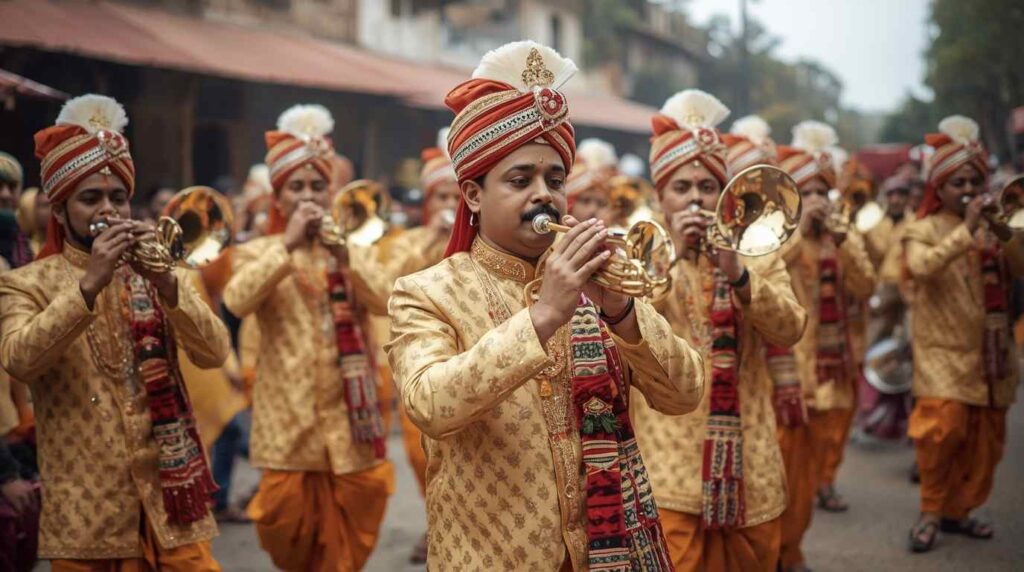
swami band ghodegaon is not for every wedding. Small indoor venues with strict noise rules can make live bands impractical. Some city permits limit outdoor sound levels or time windows.
Another limitation is musical range. Traditional bands focus on ceremonial tunes. If you expect Bollywood mashups or western hits, that usually requires a DJ or fusion setup.
Timing is another factor. Live bands run on schedules. Delays can increase costs or shorten performance time. Clear planning matters more here than with pre recorded music.
Understanding these limits upfront avoids disappointment later.
Comparison with DJs and modern wedding music
DJs offer flexibility. Thousands of songs. Instant changes. Lower setup complexity. They work well for receptions and dance floors.
Bands offer presence. Visual rhythm. Cultural signaling. swami band ghodegaon stands out most during arrivals, not after dinner.
Many families now combine both. Band for the entrance. DJ for the party. That combination often delivers the best balance.
The choice is less about better or worse and more about when each format serves the moment.
Cost expectations and planning insight
Pricing varies based on location, number of musicians, and performance length. Travel within the United States can also affect rates.
According to wedding industry data published by The Knot, live music services including bands account for nearly 12 percent of total wedding entertainment budgets in multicultural weddings. That statistic reflects growing demand for traditional elements even in modern settings.
This data matters because it shows bands are not disappearing. They are being used more selectively and intentionally.
Contact details and booking considerations
Families often ask for a swami band ghodegaon contact number early in planning. Availability becomes limited during peak wedding months.
You may also see references to swami krishna band ghodegaon or swami krishna band ghodegaon contact number. These names are often used interchangeably in local circles, though confirming the exact group matters.
When booking, ask about musician count, arrival time, dress code, and cancellation policies. Clear communication avoids last minute confusion.
New trends and evolving expectations
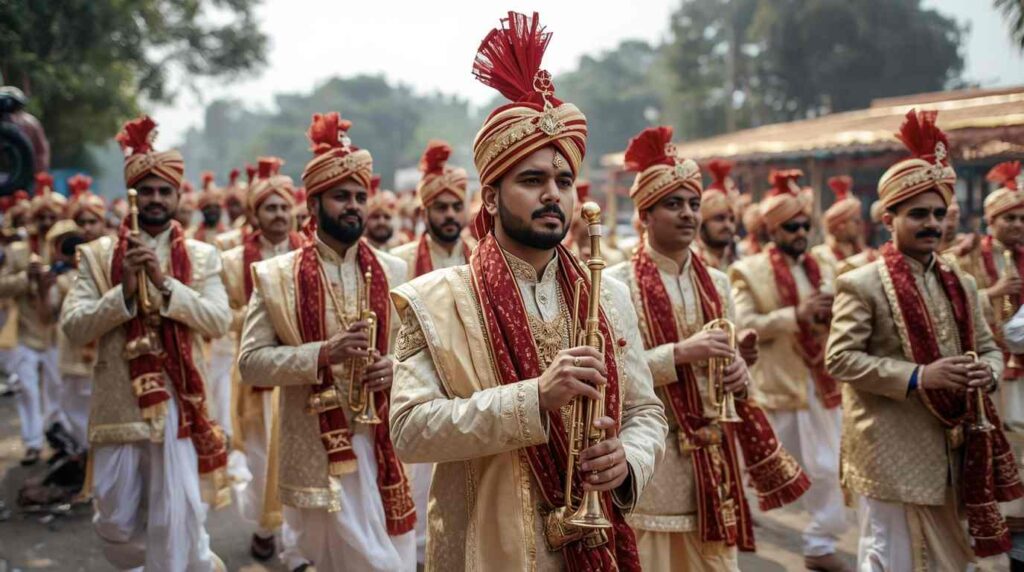
swami band new setups now sometimes include LED lighting, coordinated uniforms, and tighter formations. These updates keep the experience visually appealing without losing tradition.
Younger couples want heritage without stiffness. Bands that adapt to pacing and presentation tend to stay relevant longer.
There are also niche mentions like sadhu goldwins, often brought up in conversations about premium ceremonial aesthetics. These references show how visual presentation has become part of musical expectations.
Why this band still matters in 2026
Even with changing tastes, swami band ghodegaon remains relevant because weddings are emotional events, not just parties. Live sound signals importance in a way speakers never fully replace.
It is about memory creation. Guests remember the entrance. The rhythm. The moment everyone stood up and watched.
That is hard to replicate digitally.
Internal linking ideas
You could internally link this article to pages about Indian wedding planning in the United States, traditional baraat rituals, or choosing between live bands and DJs.
Final thoughts for Swami Band Ghodegaon
Choosing swami band ghodegaon is less about trend and more about intention. If the goal is to honor tradition while keeping structure and energy, this kind of band still delivers.
It works best when expectations are clear and planning is realistic. When those pieces align, the result feels effortless.
FAQs about Swami Band Ghodegaon
What is swami band ghodegaon best known for
swami band ghodegaon is best known for traditional wedding procession music with structured timing and ceremonial discipline.
How far in advance should bookings be made
For peak wedding seasons, booking several months ahead is recommended due to limited availability.
Is the band suitable for indoor venues
It can work indoors if sound restrictions allow, but outdoor settings are usually better.
Does the band play modern songs
The focus is traditional music. Modern songs are limited unless combined with other services.
How many musicians usually perform
This depends on the package, but most setups include multiple brass and percussion players.
Are travel costs included
Travel within the United States may add to the base price depending on distance.
What should families prepare before the event
Clear timing, venue access details, and coordination contacts help ensure smooth performance.
Is this band popular outside India
Yes, especially among Indian diaspora families in the United States.
Can it be combined with a DJ
Many weddings use the band for entrances and a DJ for the reception.
Why do families still choose this band style
Because live music adds emotional weight and cultural continuity that recorded music cannot replace.
For more information visit the website
